Mastering Your Job Interview: Common Questions and Effective Answers
Understanding the Basics
Job interviews can be daunting, but preparation is key to success. Understanding common questions and formulating effective responses can significantly boost your confidence and performance. In this post, we'll explore some frequently asked interview questions and provide tips on how to answer them effectively.

Tell Me About Yourself
This is often the first question in an interview, serving as an icebreaker. Your answer should be a concise summary of your professional background, highlighting key achievements and relevant experiences. Focus on aspects that demonstrate your skills and align with the job you're applying for.
For instance, instead of merely stating your job title, mention a specific project or achievement that showcases your abilities. Keep it short, ideally under two minutes, and avoid personal details unrelated to the job.
Discussing Strengths and Weaknesses
When asked about your strengths, choose attributes that relate directly to the job. Provide examples that demonstrate how you have successfully utilized these strengths in past roles. This not only shows self-awareness but also illustrates your value to the employer.

Addressing weaknesses can be tricky, but honesty combined with a proactive approach is best. Identify a real weakness and discuss steps you are taking to improve. This shows a willingness to grow and adapt, which is a valuable trait in any employee.
Why Do You Want to Work Here?
This question assesses your knowledge of the company and your motivation for applying. Research the company's values, culture, and recent achievements. Tailor your answer to reflect how these factors align with your career goals and values.
For example, if the company values innovation, you might discuss your passion for creative problem-solving and how you admire their commitment to advancing the industry.
Handling Behavioral Questions
Behavioral questions require you to provide examples of past behavior as an indicator of future performance. Use the STAR method (Situation, Task, Action, Result) to structure your answers. This approach helps you tell a clear and concise story that highlights your skills and accomplishments.
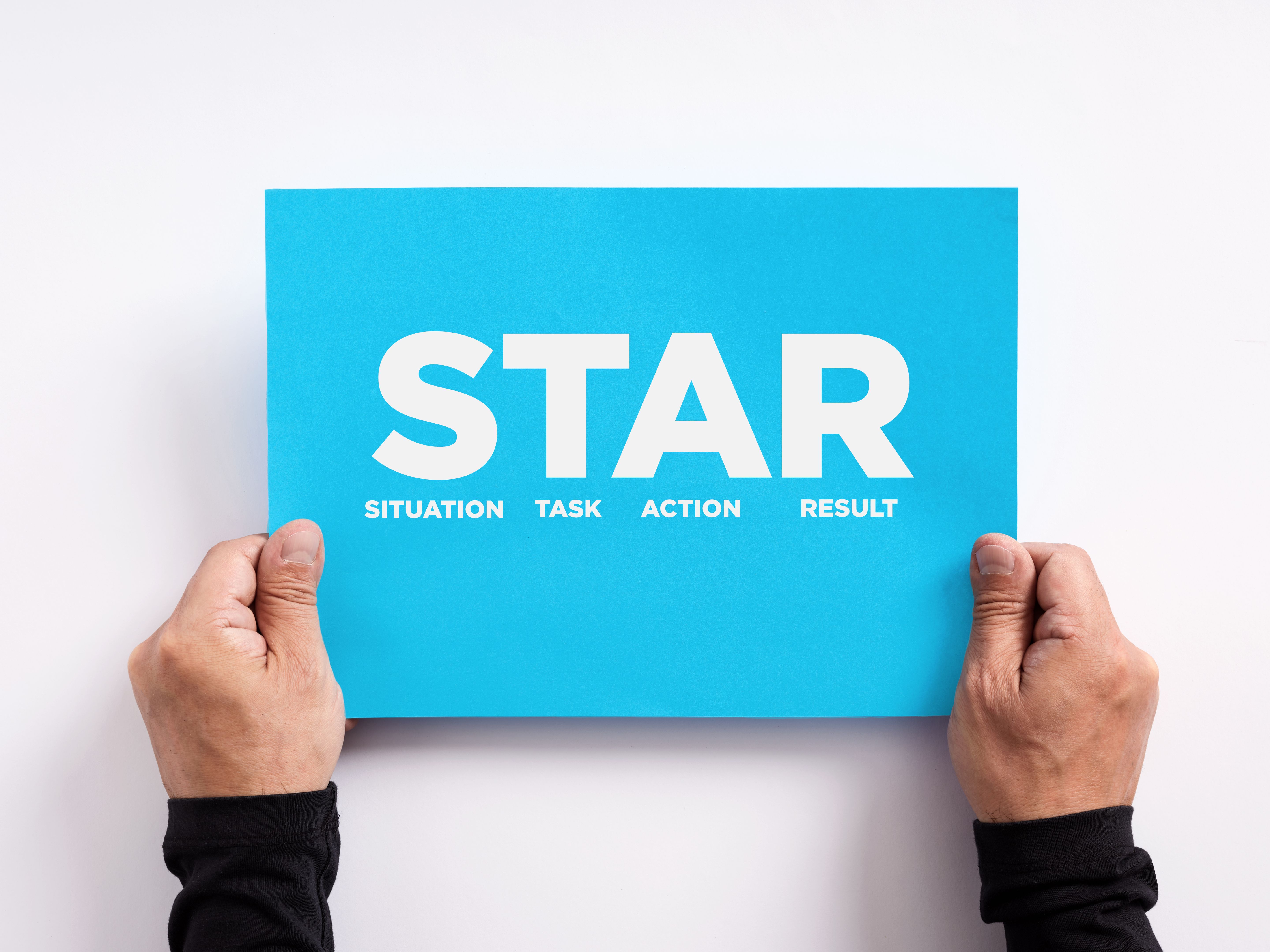
For example, if asked about a time you faced a challenge, describe the context (Situation), your responsibilities (Task), the steps you took (Action), and the outcome (Result). This not only demonstrates your problem-solving abilities but also your capacity for reflection and learning.
Preparing Questions for the Interviewer
At the end of most interviews, you'll have the opportunity to ask questions. Prepare thoughtful questions that reflect your interest in the role and company. This is your chance to assess whether the organization is the right fit for you.
- What does success look like in this role?
- Can you describe the team I would be working with?
- What are the company's goals for the next year?
These questions not only show your enthusiasm but also provide valuable insights into the company's expectations and culture.
Conclusion
Mastering your job interview involves understanding common questions, preparing effective answers, and engaging thoughtfully with the interviewer. By focusing on these key areas, you can present yourself as a confident and competent candidate ready to take on new challenges.