Exploring the Career Opportunities with Digital Twins
Understanding Digital Twins
Digital twins are revolutionizing various industries by providing a virtual representation of physical objects, systems, or processes. This technology enables businesses to simulate, predict, and optimize their operations more effectively. As a result, the demand for skilled professionals in the digital twin field is rapidly increasing, creating a wealth of career opportunities.
Digital twins integrate data, machine learning, and the Internet of Things (IoT) to create a living model of physical assets. This allows for real-time monitoring and analysis, offering insights that drive innovation and efficiency.
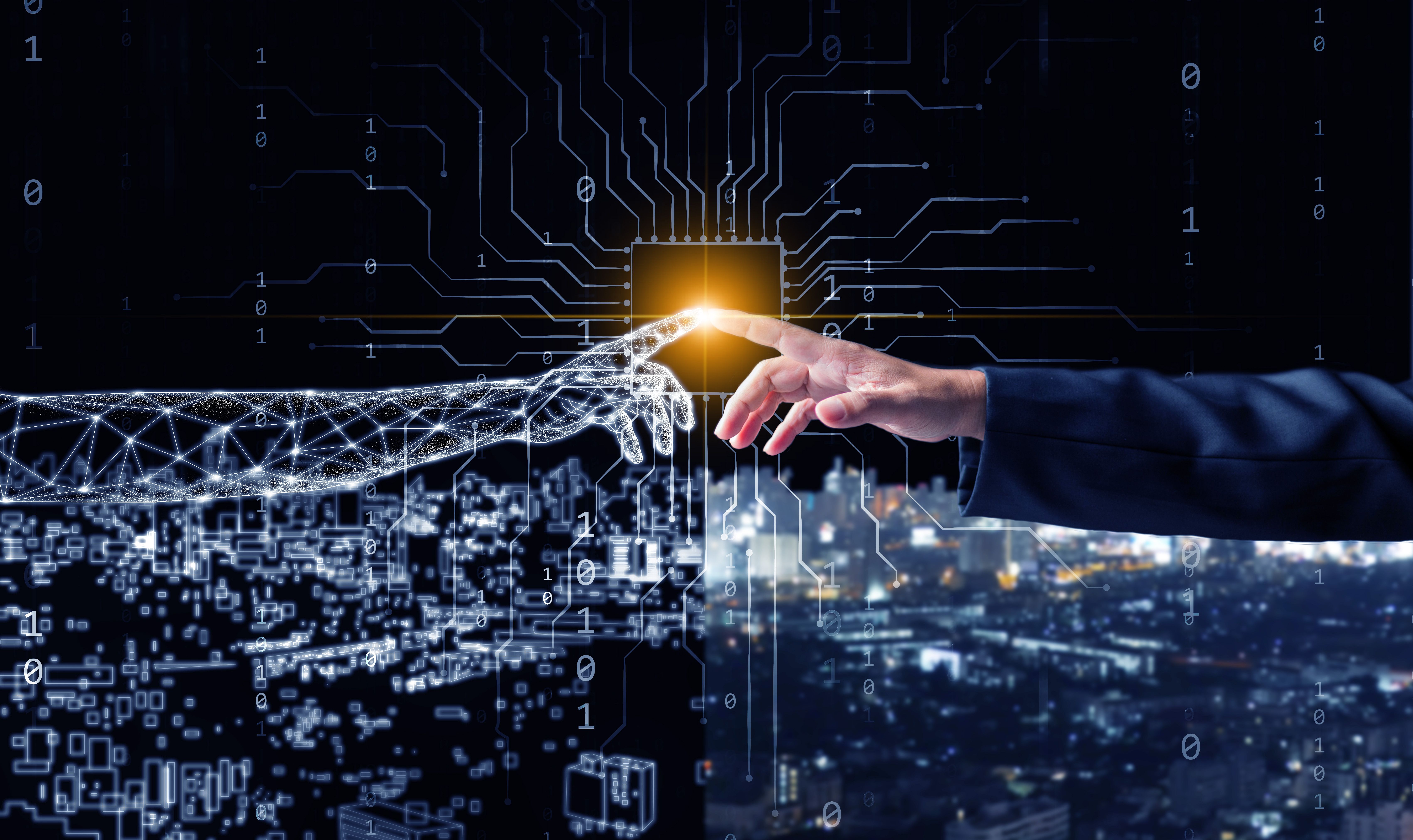
Industries Benefiting from Digital Twins
Several industries are harnessing the power of digital twins to enhance their operations. In manufacturing, digital twins optimize production lines, reduce downtime, and improve product quality. The automotive industry uses them for vehicle design and testing, while healthcare employs digital twins for patient monitoring and personalized medicine.
Additionally, the energy sector leverages digital twins to enhance asset management and improve grid reliability. This widespread adoption opens up numerous career paths for professionals skilled in digital twin technologies.
Career Paths in Digital Twins
As digital twins become more prevalent, various career opportunities emerge across different sectors. Some of the key roles include:
- Data Analysts: Focus on interpreting the data generated by digital twins to provide actionable insights.
- IoT Specialists: Design and implement IoT solutions that feed data into digital twins.
- Simulation Engineers: Create detailed models and simulations to enhance the accuracy of digital twins.
These roles require a strong foundation in data science, engineering, and IoT technologies, making them highly sought after in the current job market.

Skills Required for Success
To excel in a career involving digital twins, professionals must possess a blend of technical and analytical skills. Proficiency in data analysis, machine learning, and programming languages such as Python and R is essential. Additionally, knowledge of IoT frameworks and cloud computing platforms can significantly enhance career prospects.
Soft skills like problem-solving, critical thinking, and effective communication are equally important, as they enable professionals to collaborate effectively and drive innovation within their organizations.
Educational Pathways
Pursuing a career in digital twins typically requires a background in engineering, computer science, or a related field. Many universities now offer specialized courses and certifications in digital twin technologies and IoT, providing a solid foundation for aspiring professionals.
Online platforms also offer a range of courses that cater to different skill levels, allowing individuals to upskill and transition into this burgeoning field.

The Future of Digital Twins
The future of digital twins is promising, with advancements in artificial intelligence and IoT driving their evolution. As technology continues to develop, digital twins will become even more integral to business operations, offering new opportunities for innovation and efficiency.
For those looking to enter a dynamic and rapidly growing field, exploring career opportunities with digital twins could be a rewarding choice, offering both professional growth and the chance to be at the forefront of technological advancement.