Exploring Careers in AI-Powered Law and Justice
Introduction to AI in Law and Justice
Artificial Intelligence (AI) is transforming industries across the globe, and the field of law and justice is no exception. With AI technologies, legal professionals can now streamline processes, enhance decision-making, and improve access to justice. This blog post explores the various career opportunities in the AI-powered law and justice sector.

AI's Impact on Legal Research and Analysis
One of the most significant impacts of AI in law is in the realm of legal research and analysis. AI tools can quickly sift through vast amounts of legal documents, case laws, and statutes to provide relevant information. This efficiency not only saves time but also ensures accuracy, helping lawyers make informed decisions.
Career Opportunities in Legal Tech
With the rise of AI in legal research, there are numerous career paths for tech-savvy legal professionals. Some roles include:
- Legal Data Analyst – Analyzing legal data to provide insights.
- AI Legal Consultant – Advising firms on integrating AI tools.
- Legal Tech Developer – Creating AI solutions for legal problems.
Enhancing Decision-Making in the Justice System
AI is also playing a crucial role in enhancing decision-making within the justice system. Predictive analytics can help in assessing case outcomes and risk assessments, providing judges and legal professionals with data-driven insights.

Role of AI in Court Administration
AI technologies assist in streamlining court administration processes, such as scheduling, case management, and document filing. This leads to increased efficiency and reduced backlog, ultimately improving the overall functioning of the judicial system.
Improving Access to Justice
Access to justice is a critical concern worldwide, and AI is helping bridge the gap. Virtual legal assistants and chatbots provide legal guidance and support to individuals who cannot afford traditional legal services.
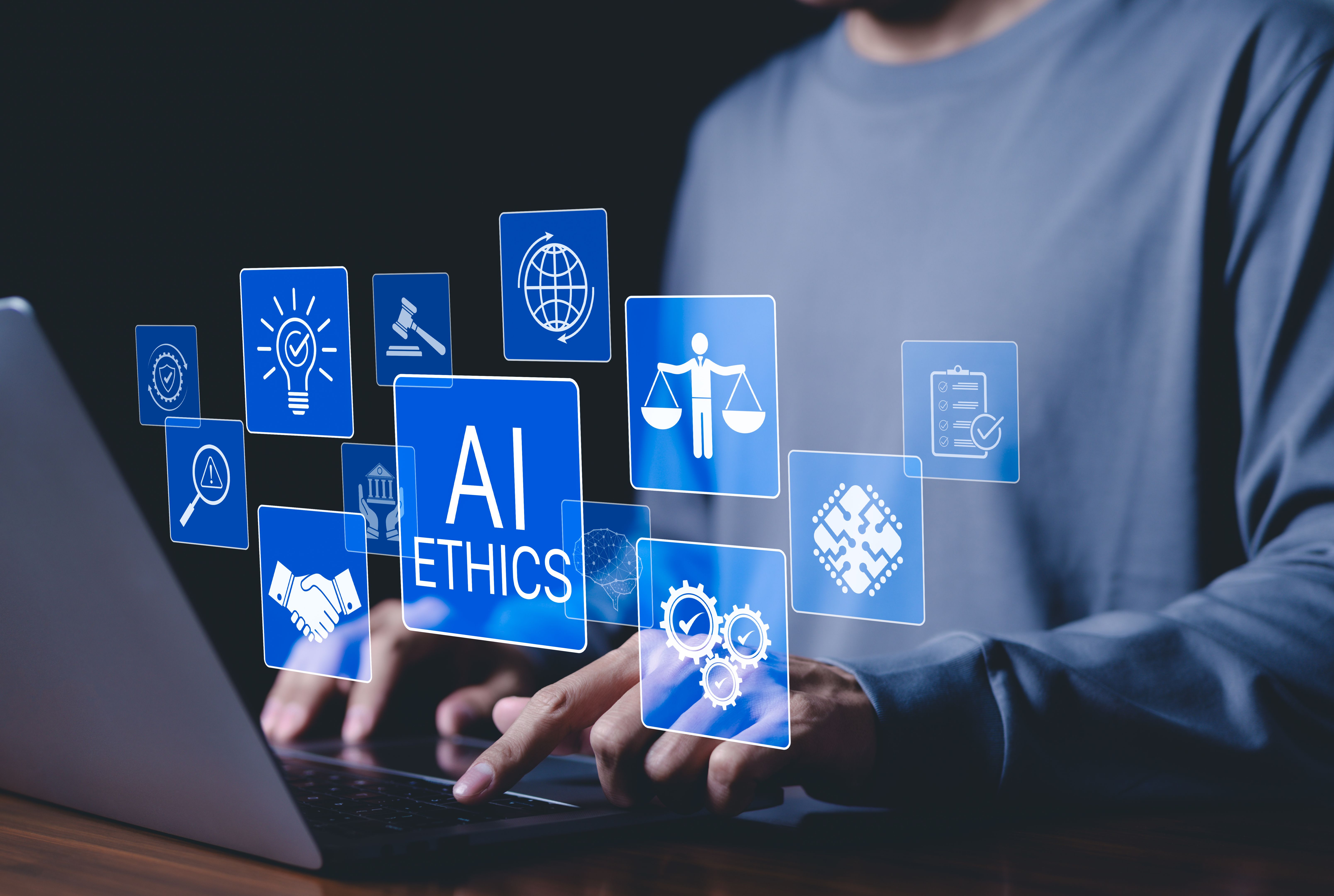
Opportunities in AI Ethics and Policy
As AI becomes more prevalent in law, there is a growing need for professionals specializing in AI ethics and policy. These experts ensure that AI applications comply with legal standards and ethical norms.
Conclusion
The intersection of AI and law presents exciting career opportunities for professionals interested in technology and justice. By embracing AI, the legal industry can become more efficient, accessible, and fair. For those looking to make a meaningful impact, exploring a career in AI-powered law and justice could be a rewarding